
Musing on the necessary power of utilities
Over the past year, hundreds (perhaps thousands), of residents in my community have been dealing with continued power outages on a regular basis. These folks have lost power from minutes all the way up to 48 hours or more — countless times, ever since Lakewood was hit hard with a storm last August.
Luckily, my side of the city hasn’t been dealing with these issues. After a substation upgrade in the last decade, our somewhat frequent power outages ceased (see me knocking on wood as I write this). But on the eastern end of the city, outages have become a frequent cause of anger for many, with outages occurring multiple times a week. They have lost groceries and dealt with record-breaking heat. Now, there’s increased concern for those who need refrigerated medications and oxygen to survive.
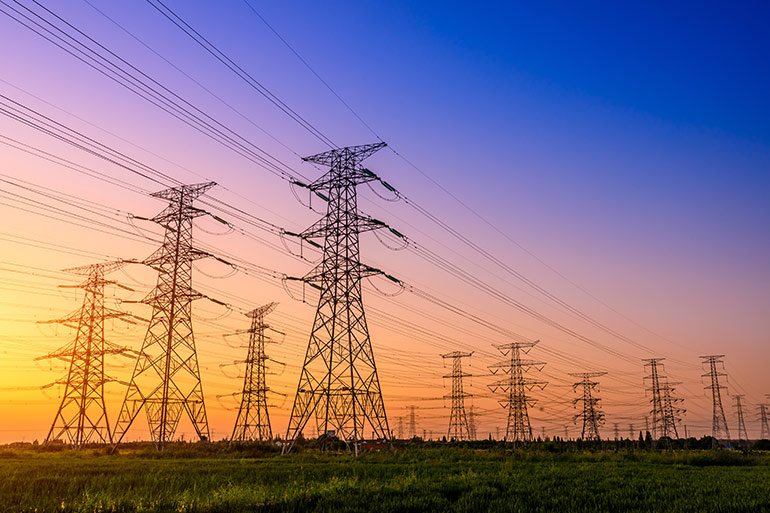
As a little background, my suburb of Lakewood is the most densely populated city in the State of Ohio. With a population of more than 52,000 living in about 5.5 square-miles, we are also the most densely populated city between Chicago and New York City. With so many people crammed into such a small space, we rely heavily on quality utilities and services. And right now, those needs are not being met.
While I was on vacation last week, I was telling family about this problem. One family member works for a utility company in Illinois — he initially joked that he was not to blame (and he isn’t, as he doesn’t work for FirstEnergy, our local electricity provider). But we had a great chat about how much he loves hydraulics (woo-hoo!). He also noted that many of the systems he works with fail more regularly today because they are designed with less durable equipment than in the past. He also said that these same systems are often more complicated and difficult to repair, like many mobile machines I’ve written about as well. Perhaps this stems from our throw-away society and our need for the latest technology.
When our local government and the Public Utilities Commission of Ohio finally got a response from FirstEnergy about these constant power outages, FirstEnergy said the problem was with a failure on a damaged substation. They’ve brought in a mobile substation, but with peak summertime demands, that solution fails repeatedly. They are struggling to fix the permanent substation because of supply chain bottlenecks. This sounds wildly absurd at this point, as it has been a problem for almost a full year. Why do we keep designing such over-complicated systems that can’t be fixed easily and require unobtainable technologies?
Our climate continues to change — temperatures grow warmer in the summer, rain falls heavier in some regions, and we see devastating floods like those last month in the southern U.S. (while other areas, like the Great Lakes regions, are waiting for rain as they watch their green landscapes go dormant). Especially as we move to a more electrified future, we can’t keep going with the status quo on the infrastructure in this country. We need updates to our electricity grids now, and we need to ensure we’re using the right technologies moving forward. We need investment in every aspect of energy production in this country. We need to demand our utility companies start investing in our future. As rates continue to skyrocket for water, gas, and electricity, this should be a natural occurrence with increased profits.
As for our August issue of Fluid Power World, we do have a focus on utility equipment, another reason this has been on my mind. Stay tuned for these articles: I preview the Utility Expo in Louisville in October on page 35, and Josh Cosford has penned a great piece on the importance of hose safety on bucket lifts on page 30. Utility equipment is crucial to our modern lives, as are the operators using them and the personnel maintaining power lines. So, while hydraulics can’t be the end-all to fixing these problems with the grid, we can keep educating and being part of the many equipment solutions that keep our electrical lines operational and running, especially in these hot summer months.
Mary C. Gannon • Editor-in-Chief
[email protected]
linkedin.com/in/marygannonramsak
Filed Under: Digital Issues
