
Connected systems combining sensors, controllers, software, displays and telematics are helping advanced hydraulics provide precise motion, control and energy management.
By Rahul Das, Software Engineer IoT – Bosch Rexroth
As digitalization and technology advancements continue to change the construction industry, hydraulic components remain key players in connected mobile machines. Only a few years ago, the construction industry was considered one of the least digitized sectors and characterized as slow to innovate and adopt new technology. This is changing as the industry moves away from stand-alone mechanical and hydraulic functions and toward connected systems that combine sensors, electronic controllers, software, displays and telematics.
Reduced downtime, streamlined operations, improved safety and higher productivity rates among off-highway machinery are key drivers for this connectivity shift. On-demand access to machine information such as fuel consumption and component health helps strengthen machine operation to achieve these goals. Additionally, electronically controlled pumps, valves, sensors and more are forging a digitally connected path at the system level to enable more precise motion, control and energy management through closed-loop systems.
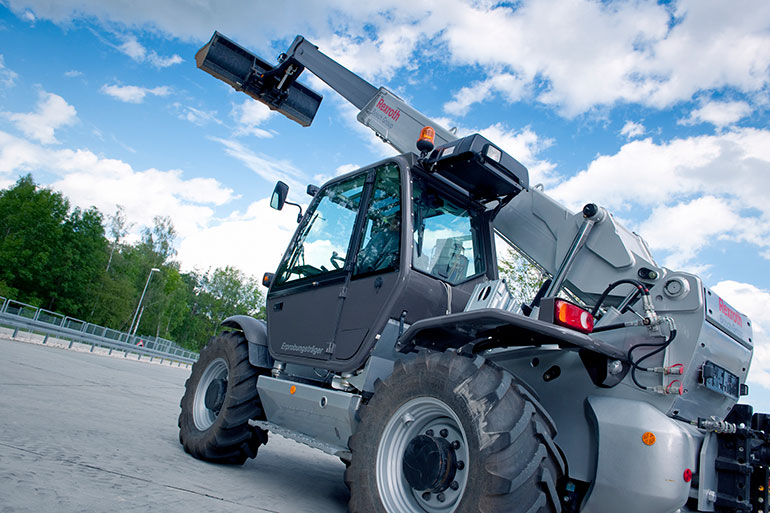
Benefits of mobile machine connectivity
Connected machines provide useful information to operators about faults, maintenance needs, utilization and machine health. This data is critical, as uptime is essential to maintaining a productive fleet. If operators are not managing data correctly, unplanned downtime can be incredibly costly, in both money and time, escalating to thousands of dollars a day from idle labor and missed project milestones.
Remote access to machine data through digital integration can help service teams diagnose issues remotely, while integrated controls and assistance functions allow operations to become more intuitive and consistent. Connected hydraulics and on-demand access to machine information let operators make quick, informed decisions in real time.
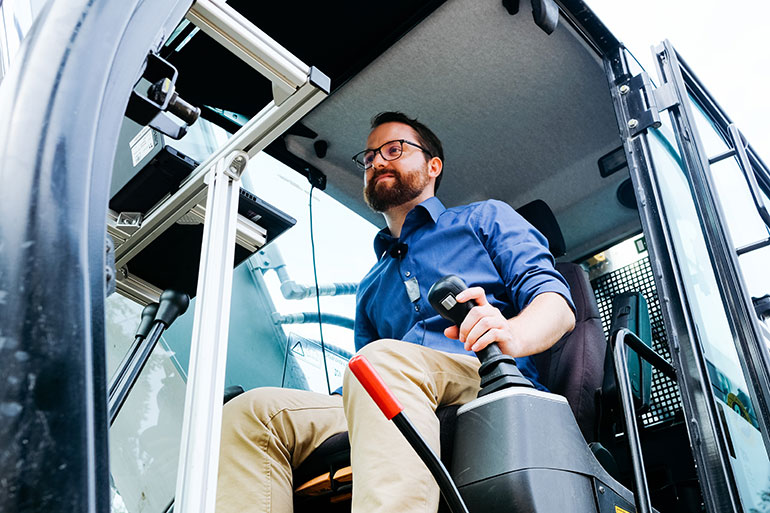
In turn, remote access to predictive maintenance helps forecast when a component may fail, allowing service teams to make preemptive decisions and limit downtime. In practice, this might look like a pump showing early signs of wear, prompting the digitally integrated display to alert the operator. This can also be identified remotely, so that off-site leaders can see machine status when systems are fully connected.
Another significant advantage of connectivity is the ability to continuously improve machine functionality after delivery. Historically, introducing new features often required hardware modifications or service visits. Today, connected platforms enable OEMs to deploy software enhancements, performance optimizations and diagnostic improvements remotely. This shortens development cycles, improves customer responsiveness and allows machines to evolve alongside changing operational requirements throughout their service life.

Working in concert with predictive maintenance, over-the-air software updates can move the needle on machine availability and productivity by addressing machine needs. This allows teams to review fault information, operating signals and software status remotely and deliver an update without a separate site visit. This reduces troubleshooting delays and service effort while improving machine availability. Ultimately, digitalization helps OEMs develop and update functions more efficiently, while giving operators and service teams better visibility into machine condition, utilization and faults. This gives OEMs a practical way to respond to customer needs while supporting machine uptime and long-term value.
Popular mobile applications
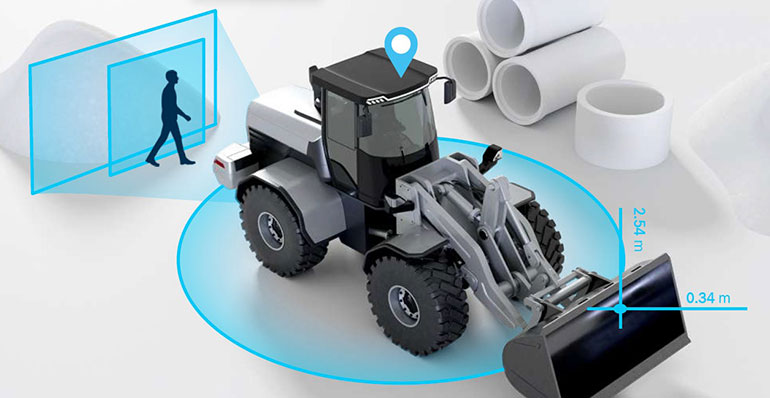
Excavators, wheel loaders, telehandlers, cranes and compact construction machines can all benefit from digitalizing or automating tasks. Common operational areas that can be improved with digitalization include payload estimation, collision avoidance, return-to-position, automated motion, stability support and fleet visibility. As applications are digitized, they increasingly depend on electronic hardware that is more powerful, rugged, connected and scalable. This advancement consists of the integration of hardware, software, cybersecurity, diagnostics and lifecycle support into a single modular system.
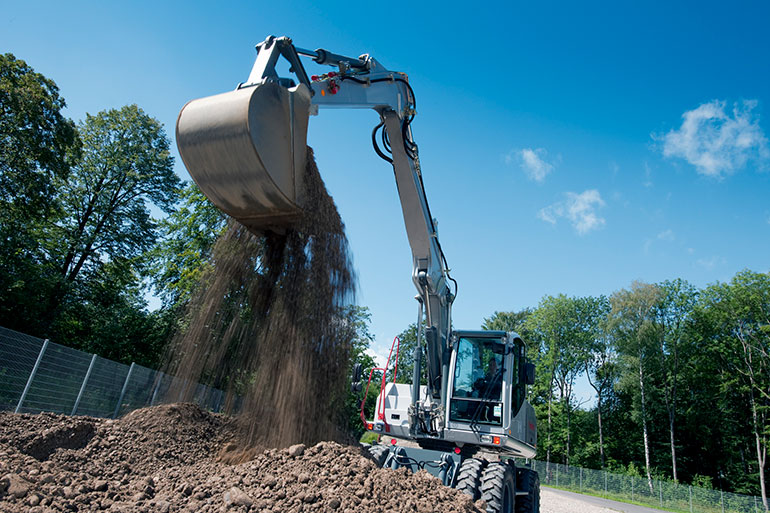
In this context, more powerful hardware allows for the processing of significantly more machine data while operating reliably in demanding construction environments. Modern controllers and connectivity devices must support advanced algorithms, high-speed communication, sensor fusion and real-time decision-making, all while withstanding vibration, dust, moisture and extreme temperatures commonly found on construction sites.
Advanced control platforms can provide the computing foundation for increasingly complex machine functions, including operator-assistance systems, automated work cycles, payload estimation, collision avoidance and machine safety features. Combined with ruggedized sensors for richer feedback, displays with more intuitive operator interaction, and connectivity units that can link the vehicle with service tools, these systems enable machines to process more information locally while maintaining communication with remote service and fleet-management platforms. This system-level approach benefits operators directly, who can maneuver mobile machinery more strategically thanks to better access to critical machine information.
Moving the industry forward
Over the next 3-5 years, adoption of digitized components and solutions will increase, especially as younger generations enter the workforce. Construction equipment will become more software-centered, updatable and automated, all of which the younger generation grew up with and can understand quickly as digital natives. In turn, technicians and operators will read data and respond to potential problems more quickly to limit downtime.
These connected machines will help combat the growing labor shortage and resulting project delays that have impacted 45% of contractors, which underscores importance of becoming an expert in digitalized machinery. In 2026, the industry will need to add around 500,000 new workers to meet current demand, making uptime and machine productivity more important than ever for projects to remain on track.
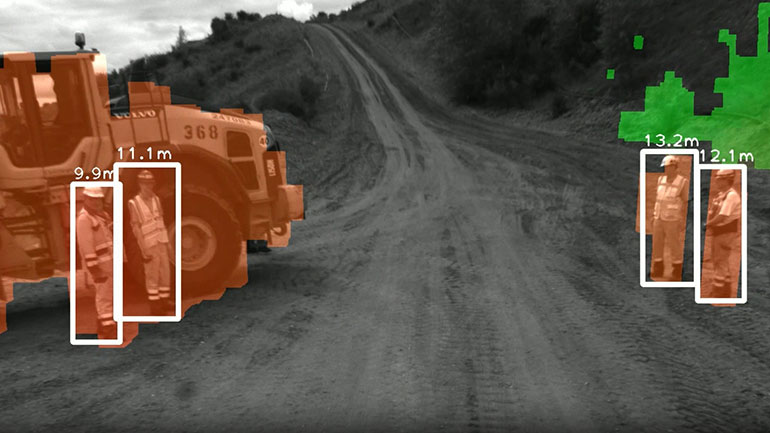
Additionally, more real-time processing will occur directly within the machine, while cloud platforms will support fleet-level analysis and decision-making. As more machines become connected, the focus shifts from simply collecting data to managing it securely, efficiently and responsibly. This is where open architectures, cybersecurity, access control and responsible data ownership will become increasingly important.
Open architectures allow OEMs, fleet owners and service providers to integrate equipment into broader digital ecosystems rather than being restricted to a single proprietary solution. This flexibility helps data from machines, service tools and fleet-management systems work together more efficiently, enabling fleet owners to derive more value from connected assets.
At the same time, cybersecurity and access control have become critical as machines increasingly exchange data, software updates and diagnostic information across public and private networks. Secure communication, role-based access management and software lifecycle controls help ensure that only authorized users and systems can access critical machine functions and data.
Responsible data ownership now becomes equally important as the industry moves toward this flow of data exchange. Fleet owners need clear visibility into what machine data is collected, who can access it and how it is being used. It becomes critical to protect the machine data that often contains valuable information related to utilization, productivity, operating conditions and maintenance practices. Transparent data-management frameworks help maintain customer trust while enabling advanced services such as remote diagnostics, predictive maintenance and fleet optimization.
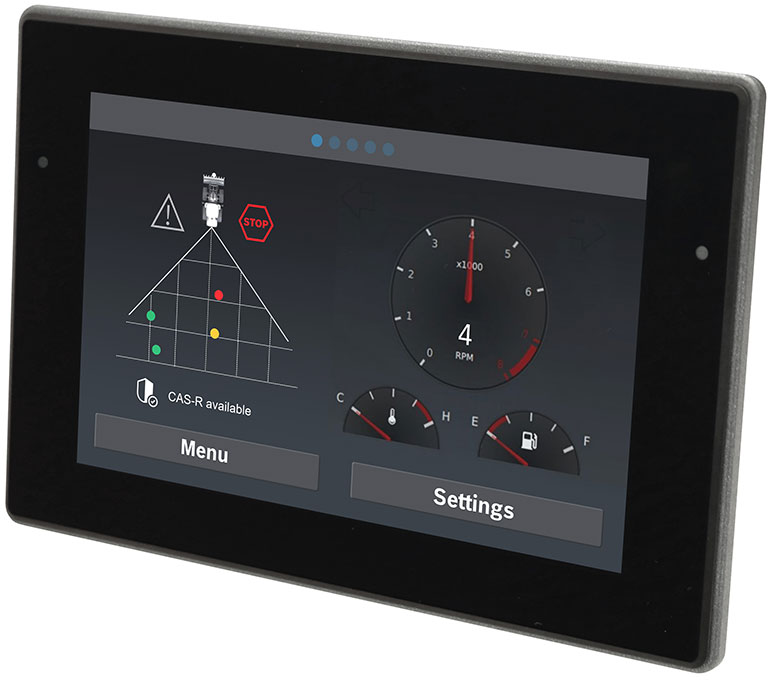
Experience with connected machine scenarios shows that customers expect not only connectivity, but also confidence that machine and fleet data remain secure, traceable and under appropriate customer control. With regulations such as the European Union’s Cyber Resilience Act emphasizing security for connected products, cybersecurity and responsible data governance are becoming fundamental requirements rather than optional features.
Additionally, connectivity will increasingly support diagnostics, fleet health, configuration and software lifecycle management. This will be critical for leaders whose biggest concern is downtime and machine health, delivering cost and energy savings through improved uptime. Adoption will be incremental, beginning with practical use cases such as remote diagnostics, fleet visibility, over-the-air updates and operator-assistance functions before expanding into more advanced automation capabilities.
Critical leadership decisions
It is important for leaders to assess their current operations and what changes are needed. Digitalization of construction equipment should solve a real operator, service or business problem rather than simply adding technology for its own sake. Because construction machines work in harsh environments and may have limited network coverage, solutions must be robust, secure and able to operate reliably offline, factors that should be weighted carefully before making decisions to upgrade equipment.
The best starting point is identifying a clear problem that needs to be solved, such as reducing repetitive work, improving accuracy, preventing overload or simplifying operation. Researching the types of technology and connected frameworks in the marketplace is essential when upgrading mobile machinery. Machine connectivity is worth the time and investment as the industry continues to advance and technology evolves, but leaders should approach the process strategically to avoid costly delays and downtime.
Bosch Rexroth
boschrexroth.com/en/us
Filed Under: Components, EV Engineering, Featured, Mobile Hydraulic Tips
