
By Josh Cosford, Contributing Editor
Preventing hydraulic motor failure involves a combination of proper design, maintenance, and operation practices. Despite resembling hydraulic pumps, motors are unique in that they convert hydraulic energy (in the form of pressure and flow) into rotational energy (in the form of running torque). Hydraulic motors drive winches, wheels and pullies, to name a few, making them a versatile actuator like none other.
However, when hydraulic motors’ needs are not met, failure is all but guaranteed. Compared to many other components, hydraulic motors face the most drastic conditions, harsh operating environments and most extreme pressures. To prevent hydraulic motor failures, I’ve compiled a list of seven steps to help you keep you and your machine happy.
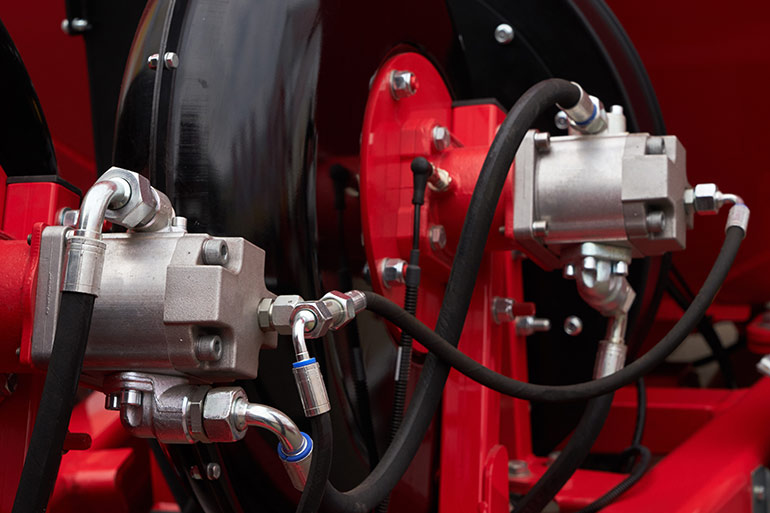
- Ensure your hydraulic oil is clean, dry and properly viscous. Just as with other hydraulics, contamination is still the number one cause of hydraulic motor failure. Monitor the filter condition by observing its bypass indicator or changing the element at regular intervals if one is not present. Motors are the most likely hydraulic component to be entirely submerged in water, such as those used in drive wheels for various mobile machines. Send oil samples regularly to analysis labs to check for water contamination, and use desiccant breathers to prevent excessive moisture. Finally, employ tactics to maintain the oil within the ideal viscosity range, which requires cooling in warm climates and heating in cold climates. The extremes of temperature allow for metal-on-metal wear in the heat or possible cavitation and loss of lubrication in the cold.
- Do not overload your hydraulic motor. Avoid exceeding the torque and speed rating of the motor, which can lead to excessive heat, cavitation due to flow demand when over center, and physical breakage when torque overloads the mechanical and physical capacity of the motor. Side loading should also be monitored since damage to bearings, seals, and the shaft itself could result in catastrophic failure.
- Properly install and align your hydraulic motor. Motors use shafts and usually turn other shafts, but they could also insert into gearboxes or other devices with a female interface. When possible, use alignment couplers with an isolating rubber insert to help absorb instant forces. Solid connections, such as with a metal sleeve, don’t allow for differences in axial, parallel and angular misalignment. Also, the pilot fabricated on the machine side should be precise, axially true, and parallel, as this prevents the same issues described above. Doing so prevents wear to bearings, seals and pump internals.
- Keep the temperature moderate. It’s not enough to keep the temperature of the hydraulic oil cool, but care should be taken to warm up a cold machine as well. Hydraulic oil and the machinery it powers prefer an operating window of viscosity, so in cold climates, ensure you install reservoir heaters when needed. Additionally, heat does more than reduce lubricity and increase oxidation; it also softens and damages seals, accelerates oil wear, and increases metal-to-metal wear inside your motor. Hydraulic coolers are cheap insurance compared to motors running in the thousands.
- Clean and inspect your hydraulic motor. It sounds easy and simple, but it’s the same reason a clean engine bay in your car makes for a reliable engine. When you clean and inspect your machine as a whole, you can identify leaks, cracked hoses, and heat discoloration that would otherwise go unnoticed with a greasy and dirty machine.
- Route your case drain properly. You’ll know you got this one right within the first ten minutes of machine startup since an incorrectly installed and routed drain results in near-immediate failure. Some hydraulic piston motors, for example, include two case drain ports to improve installation flexibility. Using the bottom-most oriented port allows the case to drain entirely, leaving the pump dry of critical lubrication.Install the uppermost drain on the motor, and then fill the pump case with oil before startup. Although even with the correct orientation, the pump’s internal leakage will still fill the case, the damage done by running the pump dry at startup will reduce the expected life by ninety percent within the first few minutes.
- Select the correct motor for your application. It’s a non-starter if you’re either selecting or replacing a motor with the incorrect design for your application. If you require a high-speed motor to drive a drill, you must know that a bent-axis piston motor is a better choice than a gerotor motor, which is low-speed and inefficient.When replacing a motor, always select the correct pressure and flow range that matches your factory-installed design. A larger motor will run more slowly with higher torque, and a smaller motor will run higher speed with less torque, for any given system pressure and flow rating.
With these seven tips, you will be sure to cover the required steps to prevent hydraulic motor failure, from new applications to repairs and maintenance. By doing so, you will avoid wasted time and costs now and in the future.
Filed Under: Components, Engineering Basics, Mobile Hydraulic Tips, pumps, Pumps & Motors
